
Why Is My Toledo Lawn Developing Brown Patches

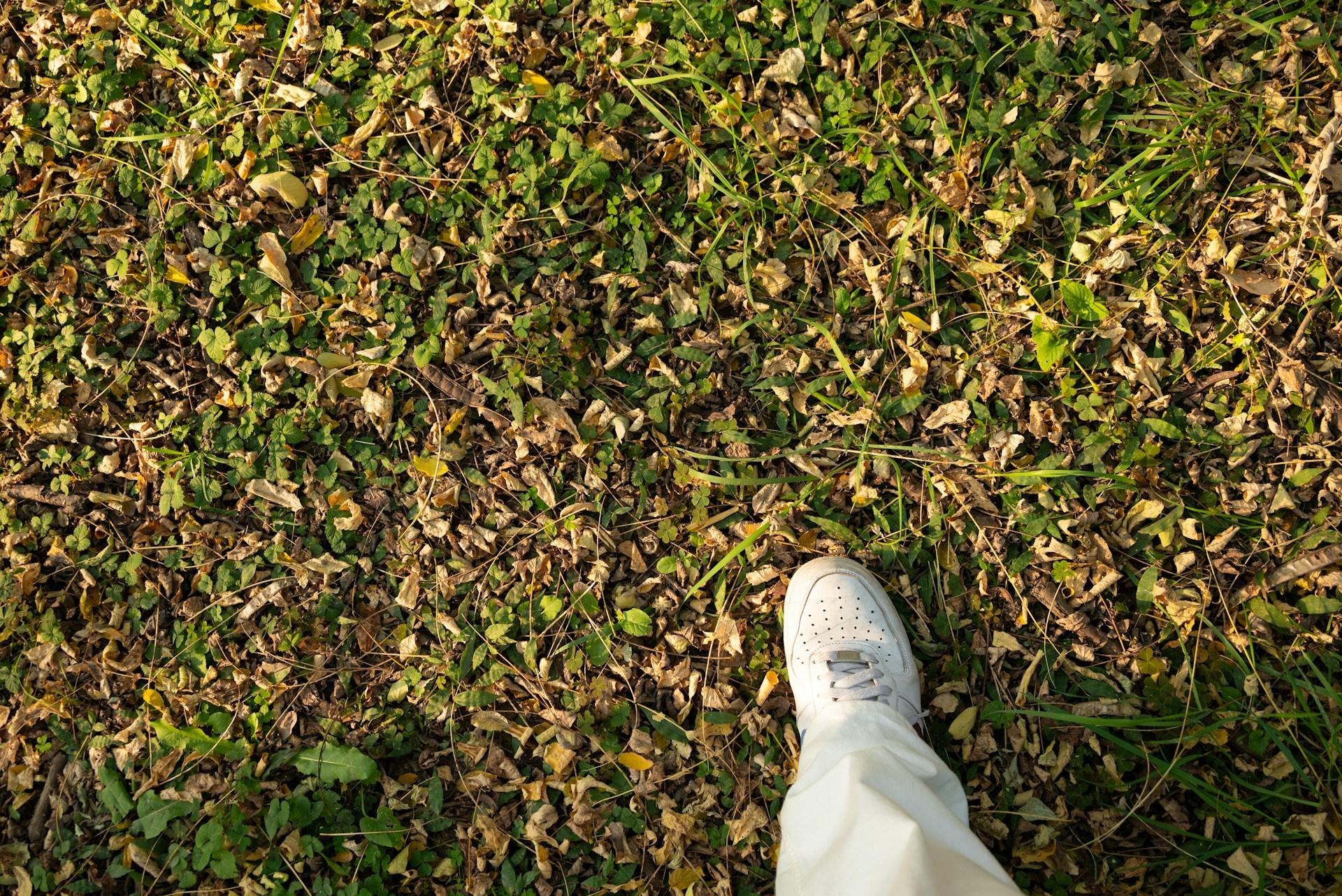
Brown patches popping up in your lawn can be frustrating, especially when you’ve been putting in the effort to keep it green and healthy. If you’re noticing dry or discolored spots in your Toledo yard despite regular mowing and watering, there’s likely more going on beneath the surface. These patches are signs your lawn is trying to tell you something.
Late August in Toledo brings a mix of heat and shorter daylight hours, which creates a perfect storm for common stressors that affect lawns. From weather-related problems to pest and disease issues, there are several reasons why your grass might be showing signs of distress. Understanding what’s causing the problem is the first step toward getting your lawn back on track.
Understanding the Issue: What Causes Brown Patches in Your Toledo Lawn?
Brown patches aren’t just a summertime eyesore. They might be a clue that something’s unbalanced in your lawn’s routine. Here are some of the most common reasons grass can turn brown:
1. Drought Stress
The hot and dry conditions of late summer lead to soil losing moisture faster than it’s gained. Without enough water, grass roots dry out, causing your lawn to go dormant and look patchy or dead. This type of discoloration tends to start in the sunniest areas of the yard because they’re exposed to more heat.
2. Too Much Heat
While grass can usually handle some heat, long spells of high temperatures can overwhelm it. Continuous exposure to high heat even with watering can result in yellowing that later turns brown. Add in compacted soil or poor airflow, and the heat damage gets worse.
3. Poor Watering Practices
Many times, brown spots aren’t about too little water, but where and how that water is getting used. Shallow, frequent watering might not reach grass roots, leaving them thirsty and weak. Overwatering is just as bad. Saturated soil creates a perfect setting for fungal issues.
4. Fungal Diseases
Diseases like brown patch or dollar spot thrive during humid Toledo summers. These fungi cause circular or irregular dead zones in an otherwise green lawn. You’ll often spot gray or tan rings of grass, and when you walk on the area, blades may feel slimy or pull away easily.
5. Pest Activity
Grubs and other root-chewing pests can destroy a lawn from underground. If patches lift up like a loose rug or expose clusters of white larvae underneath, insects are probably feeding on your grass roots.
Common Mistakes Leading to Brown Patches
Sometimes the damage comes from how the lawn is being cared for. Even with good intentions, a few wrong moves can create major turf problems. Here are some of the most common mistakes homeowners make:
– Over or Under-Watering
Both extremes can harm your lawn. Too much water weakens root systems and invites disease, while too little drives grass into dormancy. Aim to water early in the morning so moisture has time to soak in before the sun is overhead.
– Improper Mowing Habits
Cutting the grass too short, or scalping, exposes the soil to direct sunlight and damages the roots. On the flip side, letting grass get too long and cutting more than a third of the blade at once can also cause stress. For Toledo’s cool-season grasses, a mowing height of 3 to 4 inches works well at this time of year.
– Wrong Fertilizer Practices
Fertilizing too often or applying product at the wrong time can actually burn your lawn. Some try to treat yellow spots by adding more fertilizer during summer heat, which often causes more harm. Always read product guidelines and avoid fertilizing during extreme temperatures.
– Ignoring Thatch Buildup
Thatch is the layer of organic matter that builds up between grass and soil. If this layer becomes too thick, it can block water and nutrients from reaching the roots, and trap excess moisture that breeds lawn diseases and pests.
Brown patches don’t always have one simple cause. One homeowner might be battling chinch bugs, while a neighbor is struggling with irrigation issues. Looking at the whole picture helps you zero in on what’s really going on below the surface.
Effective Solutions for Treating Brown Patches
After figuring out what’s causing the brown patches, it’s time to fix the root of the problem. Quick fixes won’t do much if the issue runs deeper. You’ll need routines that support long-term lawn health.
Start by adjusting your watering timing and frequency. For Toledo, watering two or three times a week in the early morning is enough to keep your lawn hydrated. Deep watering helps the roots grow stronger and reach further down, which makes grass more resilient against heat. Avoid watering in the evening or at night, which invites fungus to form on damp blades and soil.
Next, mow the lawn properly. Leaving grass slightly taller gives shade to the roots, protecting them from the sun. Mow regularly but don’t remove more than a third of the grass blade. Sharpen mower blades to avoid tearing the grass, which creates openings for disease.
Use fertilizer wisely. Don’t apply during hot or dry spells, as this can stress grass even more. Choose a product suitable for your type of grass and follow the label’s instructions. If you’re unsure about soil nutrients, a soil test can guide you to the right application plan.
When lawn diseases or pests cause problems, treating symptoms alone won’t solve anything for long. You’ll need to correct what’s attracting the diseases in the first place. Poor air circulation, bad drainage, or heavy thatch can all contribute. If patches continue despite proper care, professional help may be the next best step. Lawn experts can test the soil and check for less obvious issues like compacted areas or nutrient deficiencies.
Preventing Brown Patches with Regular Lawn Care
Preventing lawn problems is easier than repairing them. With regular care, your grass is less likely to develop brown patches. As summer ends and fall arrives, now is an important time to give your lawn the best chance to recover and stay healthy.
Here’s what we recommend:
– Stick to a Seasonal Routine
Each part of the year has its own lawn needs. As fall approaches, start to shift your care routine to focus on restoration and preparation. Aerating and overseeding in late summer to early fall is ideal timing for Toledo lawns.
– Schedule Aeration Before Fall
Aeration breaks up hard soil and helps air, water, and nutrients reach the roots more effectively. For yards that see a lot of use or have heavy clay soils, aeration is even more important.
– Overseed to Thicken Grass
If dry, hot weather has left behind bare patches or thin grass, overseeding fills those areas in with new growth. Choose hardy grass types that resist disease and help crowd out weeds.
– Mulch Clippings When Possible
Instead of removing every clipping, mulch some of them back into the lawn. They provide moisture and nutrients that help support overall lawn health. Just be careful not to mulch grass affected by disease, as that can spread the problem.
– Weed Control
Weeds compete with grass for water and nutrients. Handling them early with selective treatments keeps lawns from getting overwhelmed. Fall pre-emergents are one option to consider, especially after seeding is complete.
Consistent care now helps your lawn stay lush rather than limp. With seasonal timing and the right steps, your grass will stay stronger and grow back quicker whenever stress hits.
When You’re Ready for Professional Lawn Help
Knowing what causes brown patches and what to avoid is half the challenge. But fixing everything without help can be tiring, especially when the issues keep coming back or don’t seem to improve. Lawn care is more than just mowing and watering, and some problems need deeper attention than what home solutions can offer.
Whether it’s pest damage, lawn disease, or signs of deeper soil imbalance, it makes sense to bring in the pros when basic care isn’t enough. If your yard isn’t bouncing back, working with a team that understands Toledo’s conditions can make the difference between patchy frustration and a healthy, full lawn. Let Kerekes Lawn & Landscape take the stress out of managing your yard and help you get it looking vibrant again.
Ready to stop guessing and enjoy a lush green lawn again? At Kerekes Lawn & Landscape, we understand the challenges of maintaining a vibrant yard in Toledo’s changing climate. Discover how our lawn service in Toledo can address your lawn’s issues and keep it looking its best throughout the year. Let us take the work off your hands and ensure a healthy outdoor space you can be proud of.