
How to Stop Garden Bed Edges from Shifting

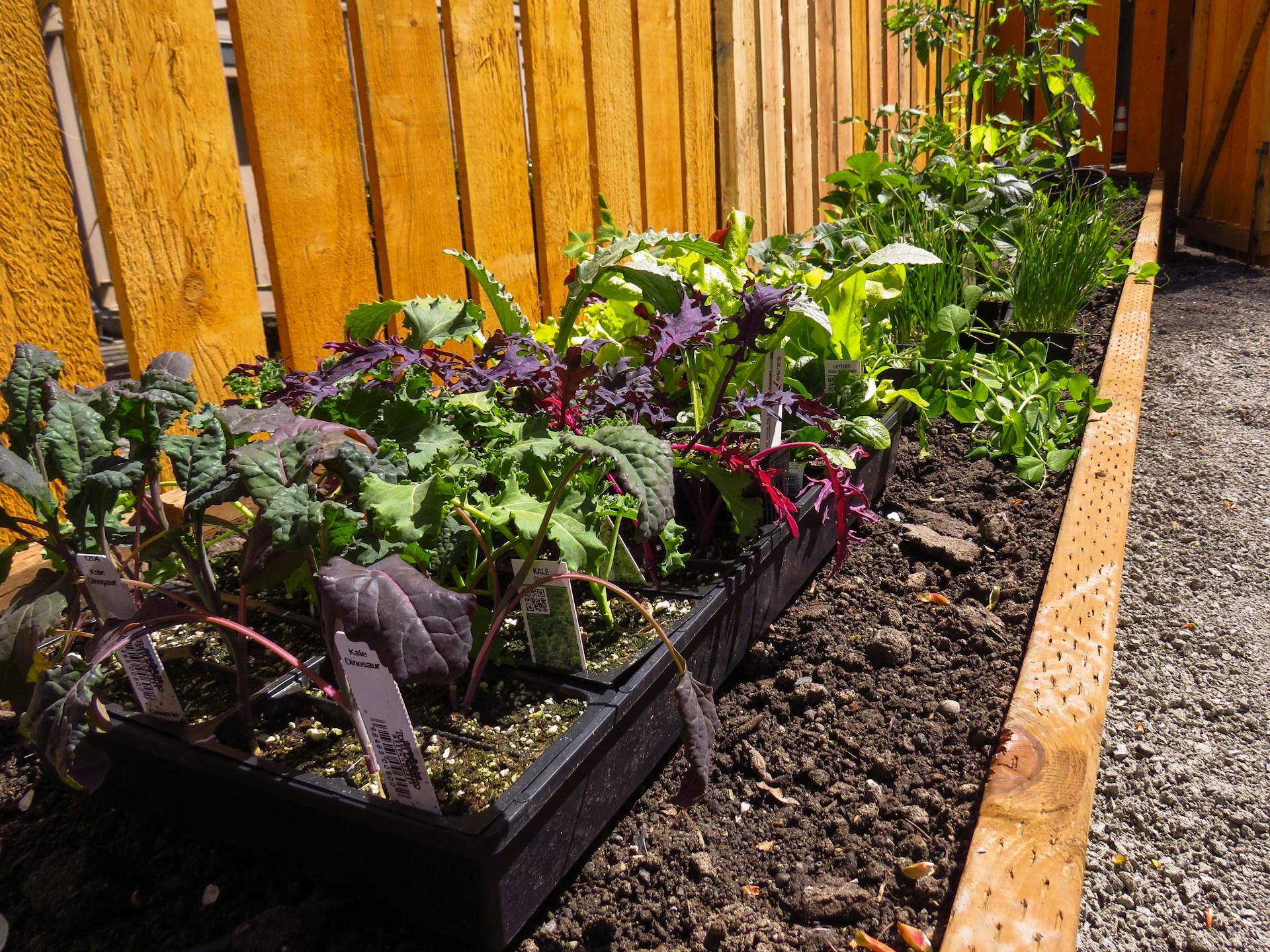
Garden beds are meant to make your yard look organized, easy to care for, and put-together. But when the edges start to shift even a little, the entire look can get thrown off. That clean line between mulch and grass disappears. Weeds start creeping in, and soil begins to spill where it doesn’t belong. What was once a crisp, tidy space turns into a scattered mess that makes mowing, trimming, and general upkeep harder than it needs to be.
This kind of edge shifting is more common than you might think, especially with the changing summer weather in Toledo. All it takes is a strong storm or a poorly anchored barrier, and suddenly your flower bed isn’t where you left it. Fixing the problem early helps keep the overall garden design looking nice and keeps unwanted maintenance from building up. Let’s look at some of the biggest reasons why garden bed edges move out of place and how to make sure they stay secure.
Understand The Causes Of Shifting Edges
Most edge problems start with the ground itself. Soil shifts naturally over time, especially when it’s exposed to heat, heavy rain, or inconsistent watering. During late summer in Toledo, sudden storms can lead to quick puddling around your garden beds. That extra water pushes against the borders and wears down the soil that’s holding them in place.
Here are a few reasons garden bed edges lose their grip:
– Soil erosion after heavy rainfall or wind
– Poor installation or shallow placement
– Using materials that aren’t strong or dense enough
– Ground that wasn’t leveled well before bed setup
– Roots growing underneath the edging and pushing it upward
You might not notice the change right away. Sometimes it sneaks up slowly, like grass creeping into the mulch. Other times it’s obvious, like a sharp edge popping out of the ground or mulch sliding onto the lawn. Watch for gaps, slight shifts, or edges that look uneven compared to the rest of the bed. These are signs something’s wrong under the surface.
A homeowner in Toledo once noticed that her clean, curved garden design started to lose its shape at the bottom of a slight hill in her backyard. After a few back-to-back storms, water had carried enough soil downhill to expose the edge, making it pop out and lose support. That one weak spot wrecked the rest of the bed until repairs were made. These small clues are worth paying attention to so you can get ahead of any larger problems.
Proper Installation Techniques
Setting up your garden bed edges the right way from the start can prevent most shifting issues later on. The process might seem simple, but there are a few key details that make a big difference, especially when you’re planning for long-term durability.
Here’s a simple guide to proper edge setup:
1. Choose strong materials
Go for plastic, metal, or stone edging that suits your soil type and garden design. Thicker, heavier materials hold better through wet spells and temperature changes.
2. Clear and level the edge area
Make sure the path is smooth before installing your barrier. Roots, stones, or leftover mulch can make edges unstable once placed.
3. Dig deep enough
Place edging material at least a few inches into the ground. Shallow edges tend to lift or tilt more easily during storms or watering.
4. Pack the soil tightly
After placing the edging, push the soil back firmly around it. This support keeps everything locked in, especially in corners or curves.
5. Secure it in place
Some edging may need stakes, connectors, or anchors. Use them to hold designs especially around curves or sloped spots.
Without these steps, garden bed edges are more likely to shift the first time Toledo sees a serious summer storm. Proper installation isn’t just about straight lines. It’s about building a structure that actually stays in place over time. Keeping edges grounded means less cleanup later and a cleaner-looking lawn all season.
Maintenance Tips To Prevent Shifting
Even edges that were installed correctly can loosen over time if they aren’t cared for. Just like lawns need cutting and bushes need trimming, bed edges need periodic checkups too. Simple maintenance can catch problems early and stop them from getting worse.
Walk your garden every few weeks, especially after heavy rain or strong winds. You don’t need to do anything complex. Just look for things like:
– Edges sticking up higher than the rest
– Mulch or soil spilling onto the lawn
– Gaps between the edging and the ground
– Shifting on slopes or corners
– New signs of grass or weeds sneaking into your flower bed
These signs don’t always mean your edging has failed, but they’re worth checking. If you spot something that seems off, it’s better to deal with it early than wait for it to turn into a bigger mess. Use a rake or shovel to repack slumped soil and press down any spots that feel loose.
In spots where edging tends to move more, you may need to reinforce the edges a couple of times a year. That could mean replacing a missing stake, adding more soil to the backside of the barrier, or making sure nothing is clogged around it. Fall cleanup is a great time to give all your garden edges a once-over and prep them for winter.
Keeping your garden bed edges in place is less about one-time fixes and more about making it part of your regular yard care. You don’t need a complicated plan. Just an eye for small changes and the habit of checking in after weather shifts.
When To Consult A Professional
Sometimes, problems with garden bed edges go beyond what a quick fix can solve. If your edging keeps popping out or washing away again and again, it might be time to call in help. Some yards shift more just based on how the soil drains, and that’s something best handled by someone who deals with these issues every day.
You’ll know it’s time to bring in an expert when:
– The same section of edging keeps collapsing
– Soil is running off or pooling in unwanted areas
– You’ve reinforced it before with no lasting result
– Slopes or elevation changes make edging hard to manage
– You want long-term solutions that blend into a larger garden design
In Toledo, one homeowner struggled with a raised garden bed that edged along a slight downhill slope. No matter how many times it was packed and braced, summer rains washed the soil out. What looked like a small issue each spring turned into a mulch trail down her yard by mid-August. She finally reached out for professional installation using material made for higher water flow zones, and the edging held strong through the next year’s storms.
Experts can also help with ideas that match the style of your yard without clashing with your design. That’s especially helpful in areas with tricky layouts or walkways where curb appeal matters. They’re not just fixing the edge. They’re setting it up to work better with the rest of your space.
Keep Your Garden Beds Looking Great
A clean garden edge doesn’t just look nice. It makes your entire yard easier to care for. It keeps mulch in place, blocks weeds, and gives your flowers or plants a frame that makes them stand out. But keeping those edges from shifting takes more than one good install. Between summer storms and heavy mowing schedules in Toledo, it makes sense that things move a little.
Catch problems early. Reinforce when needed. And don’t let small gaps fool you into waiting too long. Once the edges slip, the rest can fall out of alignment quickly. Watching out for changes, even tiny ones, can save you time and cleanup later.
If your garden bed design’s struggling to hold its shape season after season, it might be time for more than a basic fix. Getting help from someone who knows the layout of Toledo yards and can recommend durable solutions will set your space up for years of less fuss and better looks. A small step today keeps your garden looking sharp all the way through the season and into the next.
Wrap up your garden with confidence. If you’re looking for robust longevity and vibrant style, turn to a professionally curated garden bed design. Tailored to handle the unique features of your space, our designs use durable materials and expert installation techniques to keep your garden thriving season after season. See how Kerekes Lawn & Landscape can transform your outdoor space today.