
How to Address Poor Soil Quality When Creating Garden Beds

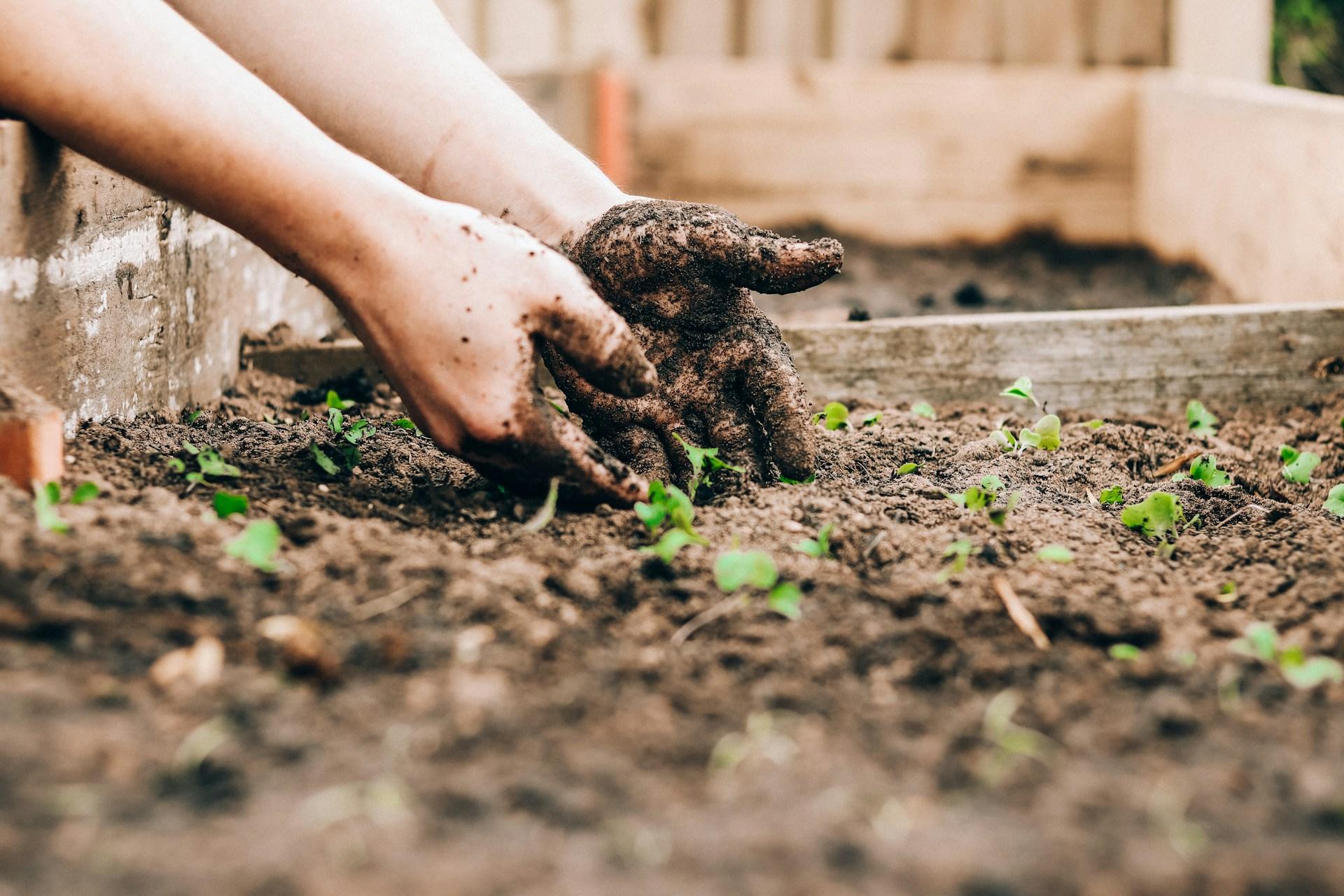
Creating a garden bed that thrives starts with understanding the importance of soil quality. Imagine trying to bake a cake with flat baking powder; you’re bound to get a disappointing result. In much the same way, poor soil can lead to weak and unhealthy plants. Soil provides the nutrients, air, and water that plants need, acting as the foundation for growth. For gardeners in Toledo, OH, addressing soil issues is key in crafting a flourishing garden bed.
The challenge lies in identifying and improving poor soil conditions so that plants can grow strong and produce abundantly. Whether you’re aiming for a vibrant flower garden or a bountiful vegetable patch, tackling soil quality plays a crucial role. By focusing on specific techniques to enhance the soil, you can ensure your garden beds become the pride of your home.
Identifying Poor Soil Quality
To start improving your garden bed, you first need to recognize signs of poor soil quality. Several indicators can help you determine the state of your soil. Some common signs include:
– Poor Drainage: If water pools on the surface or takes ages to seep down, it could indicate compacted soil, which lacks the porosity plants require.
– Lack of Organic Matter: Soil that appears pale and gritty might lack organic content, leading to a deficit in nutrients.
– Compacted Soil: This occurs when soil particles are tightly packed, making it hard for plant roots to penetrate and access necessary resources.
Before diving into solutions, consider conducting a soil test. This step gives you a precise idea of what’s missing from your soil, such as pH imbalance or nutrient deficiencies. Testing can also guide you in correcting problems effectively, ensuring your efforts are targeted and beneficial.
Enhancing soil structure and nutrient balance begins with correctly identifying these issues. Once you’ve got a grasp of the problem, you’ll be ready to take steps to breathe new life into your garden beds.
Improving Soil Structure
Once you’ve identified poor soil quality, it’s time to enhance its structure. Improving the texture and aeration of the soil is essential for healthy plant growth. One effective technique is to loosen and aerate the soil. This can be done by using tools like a garden fork or tiller. By breaking up compacted soil, you allow air and water to penetrate deeper, which benefits root systems immensely.
Adding organic matter such as compost or mulch is another critical step. Compost not only enriches the soil with nutrients but also improves its texture by increasing its sponginess, allowing better water retention and drainage. Mulch helps in maintaining soil moisture and regulates temperature. Both compost and mulch work together to create an ideal environment for root development, which is fundamental for lush garden beds.
Nutrient Management
Balanced soil nutrients are like a well-rounded diet for your plants. To ensure your plants are well-nourished, you’ll need to manage soil nutrients effectively. Here are a few tips for maintaining a rich, fertile soil:
– Use organic fertilizers that are not harsh on the environment. They provide essential nutrients such as nitrogen, phosphorus, and potassium.
– Implement regular soil testing to determine which nutrients are lacking or in excess.
Mulch again plays a pivotal role in nutrient management. As it breaks down, it gradually enriches the soil, maintaining fertility over time. This especially benefits gardens in Toledo, OH, where soil conditions can vary greatly.
Tailoring Garden Bed Designs to Soil Conditions
Now that you’ve worked on the soil structure and nutrients, it’s time to think about designing your garden beds according to your soil type. Choosing the right plants for your soil can make a significant difference in their health and vibrancy. Always select plants that naturally thrive in the soil conditions you have, whether it’s sandy, clay-like, or loamy.
For those facing tougher soil challenges, raised garden beds offer a practical solution. They allow you to control the soil composition and drainage more efficiently. Plus, incorporating mulch in these designs can stabilize the soil and improve its quality, ensuring your plants have the best start possible.
Promoting Healthy Soil Practices Year-Round
Consistent maintenance is key to sustaining garden health. Make it a routine to check soil conditions, especially after different seasons. Regular mulching and seasonal soil testing can keep your garden in prime condition. Such practices not only enhance plant health but also safeguard your garden against future soil issues.
Finally, consider seeking guidance from professional services familiar with local conditions. They can provide solutions tailored to your garden’s unique needs, ensuring long-term health and beauty. With the right attention and care, you can truly have a garden that stands as a testament to nature’s resilience and beauty.
To achieve a landscape that reflects both beauty and resilience, addressing the soil quality in your garden beds is essential. Trust the expertise of Kerekes Lawn & Landscape to guide you in designing your ideal garden in Toledo, OH. Explore our comprehensive solutions for garden bed design, ensuring your plants receive the foundation they need to flourish.